
Published November 10, 2024
Summit County’s Historic Landmarks: A Tour Through Time in the Rockies

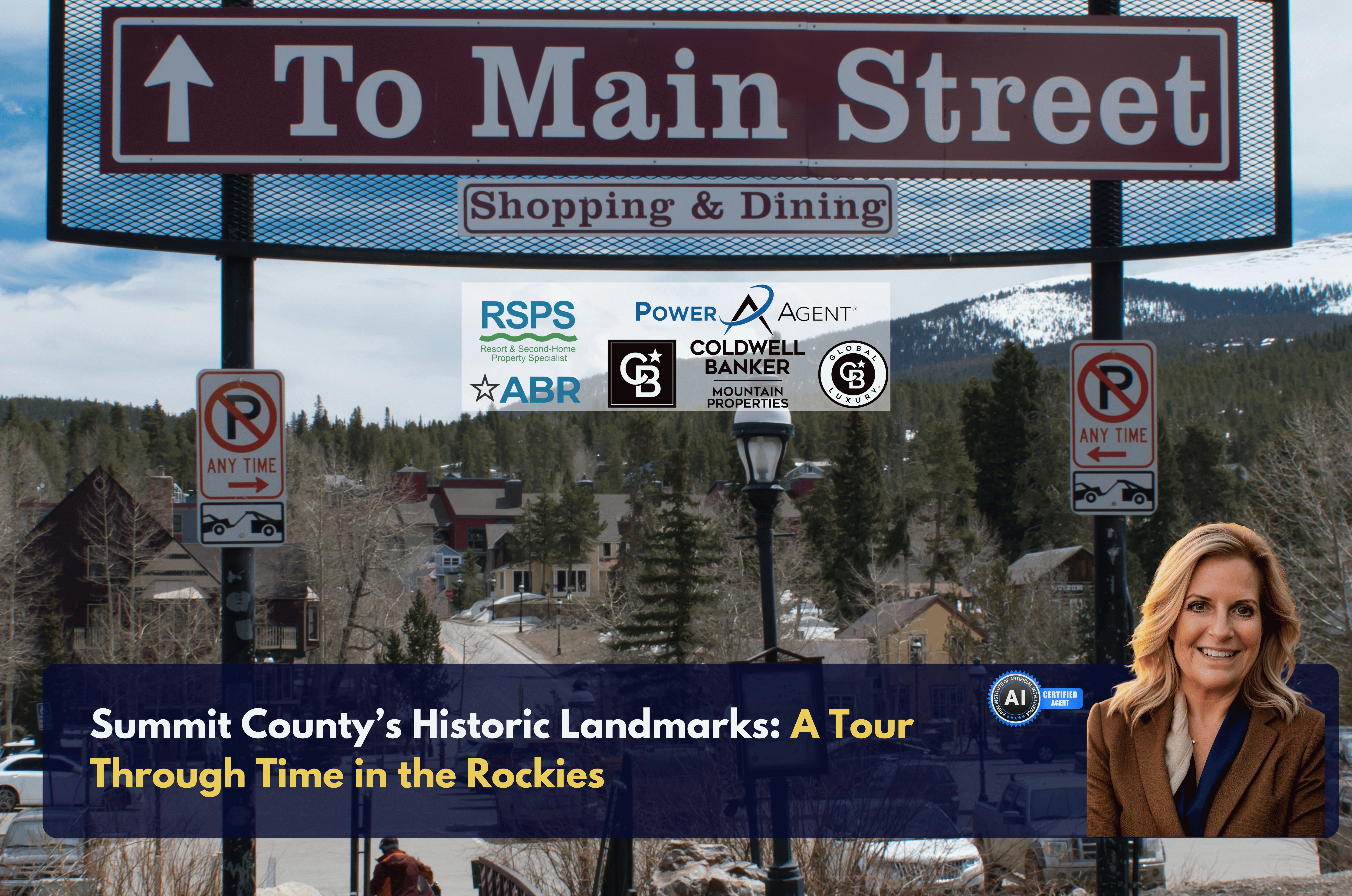
Hello, history buffs, mountain adventurers, and curious wanderers! Summit County might be best known for its ski slopes and charming mountain towns, but dig a little deeper, and you’ll discover a goldmine (sometimes literally) of fascinating historic landmarks. From old mining cabins to quaint 19th-century main streets, Summit County is a place where history meets the high country—and it’s full of stories waiting to be explored. So, lace up those hiking boots or ski boots, and let’s go on a little time-traveling tour.
1. Breckenridge Main Street: The Wild West Meets the Après-Ski Crowd
Breckenridge Main Street is the heart of Summit County’s history, lined with preserved buildings that have seen it all—from the days of gold panning to modern-day après-ski. This colorful, historic street is one of the best spots to soak in the “Old West” vibes, with restored storefronts that date back to the 1800s. Once bustling with miners, trappers, and traders, today it’s where you’ll find unique shops, cozy cafés, and the occasional sighting of someone trying to walk in ski boots on pavement (it’s never graceful).
Historic Highlight: The Barney Ford House Museum, dedicated to Barney Ford—a former enslaved person who escaped, became a prominent businessman, and fought for civil rights in Colorado. His story is just one of the incredible tales that make Breckenridge Main Street so much more than just a picturesque stop.
Fun Fact: Breckenridge was once home to Colorado’s largest gold nugget, weighing in at a whopping 13 pounds. They called it “Tom’s Baby” because the prospector who found it cradled it like his newborn.
2. Frisco’s Historic Park and Museum: A Slice of Small-Town Life
Ever wanted to take a stroll through a real Old West town? Frisco Historic Park lets you do just that—without the threat of tumbleweeds or outlaw standoffs. This charming open-air museum features original log cabins, schoolhouses, and even a jail. You can walk right into these preserved buildings, each filled with artifacts that give you a peek into mountain life in the 1800s. It’s like walking onto the set of a Western, but with better snow.
Historic Highlight: The 1881 schoolhouse, complete with chalkboards, desks, and even old report cards. Imagine the stress of trying to memorize your times tables while gazing out the window at the Rocky Mountains!
Fun Tip: If you’re visiting in summer, Frisco also hosts live reenactments—because who doesn’t want to see a cowboy showdown or learn how to pan for gold in person?
3. Dillon Schoolhouse Museum: A Town That Moved (Literally)
The Dillon Schoolhouse Museum is a little different from the others because, well, Dillon is a bit of a “moved town.” In the 1960s, Dillon’s original townsite was submerged to make way for Dillon Reservoir. The entire town had to pack up and relocate to higher ground, including its 1883 schoolhouse, which now houses a museum dedicated to Dillon’s wild past. Explore artifacts from the town’s early days and learn all about the courageous (and slightly stubborn) residents who refused to let their town disappear.
Historic Highlight: The blacksmith shop exhibit, which shows the tools and techniques that kept the town running. Spoiler alert: it’s a lot harder than Googling a mechanic.
Fun Fact: The town of Dillon actually moved not once, but three times before finding its current home. Talk about commitment!
4. Monte Cristo Mine: Where Miners Found Gold and… Cows?
Up in Montezuma, one of Summit County’s lesser-known but most intriguing ghost towns, lies the Monte Cristo Mine. Built in the late 1800s, this mine was once part of a booming silver industry. Now, it’s a ghostly relic, offering a peek into the tough life of Summit County miners. The trek to Montezuma is worth it for the historic cabins, abandoned mines, and mountain scenery that will make you feel like you’ve just walked into a Wild West movie—minus the cowboy shootouts (we hope).
Historic Highlight: The mine itself and the surrounding cabins that housed hopeful miners, most of whom found rocks, not riches.
Fun Side Note: Montezuma has about 65 residents today, some of whom are cattle. Yes, you might see cows wandering around this mountain ghost town. Apparently, they heard the grass was greener on this side of the mountain.
5. The Snowy Excavations of Hoosier Pass: Summit’s Coldest Mystery
For a bit of intrigue, head up Hoosier Pass, where people have found mysterious stone structures that date back centuries. While it’s not exactly a ghost town or a bustling historic main street, Hoosier Pass holds some of the county’s oldest mysteries. Archaeologists aren’t quite sure what the structures were used for, but theories range from Native American hunting blinds to ancient homesteads. Either way, Hoosier Pass adds a bit of mystery to Summit County’s historic lineup.
Historic Highlight: The stone ruins, which you can find scattered along the trails. These stones have withstood everything from blizzards to curious hikers.
Fun Fact: Hoosier Pass sits at a brisk 11,539 feet—so, if the ruins don’t take your breath away, the altitude might.
Ready to Make Summit County Part of Your Own Story?
Summit County’s historic landmarks offer an incredible journey back in time. And if you’re ready to make your own history here, I’d love to help you find your perfect mountain home! With over 40 years of local expertise, a deep appreciation for Summit County’s unique stories, and as one of the few A.I. Certified Agents in the world—and the only one in Summit County, I’m here to guide you every step of the way.
Give me a call at (970) 390-3711 or visit kimobert.com to explore Summit County’s real estate and find your place in this one-of-a-kind community.
Kimberly Obert
Your Local Expert in Breckenridge Real Estate