
Categories
Real Estate TechnologyPublished March 4, 2026
AI Is Getting Physical: How Artificial Intelligence Is Transforming Construction and Real Estate

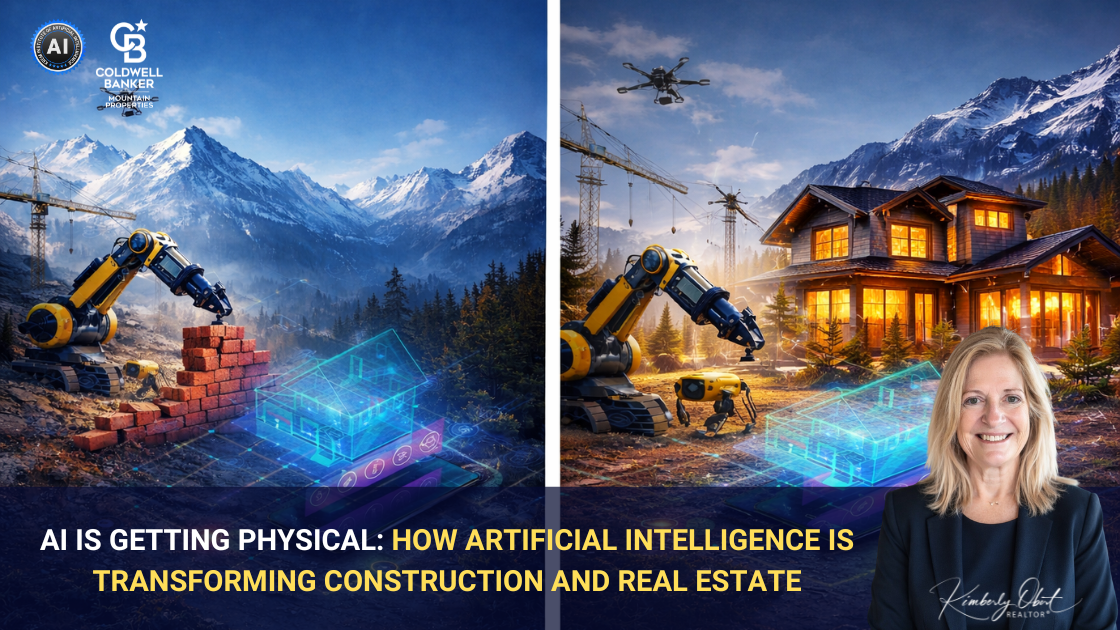
Artificial intelligence is no longer stuck behind a screen. It is now showing up on construction sites through robotics, smart sensors, and automated building systems that can help create homes faster, safer, and more efficiently. This shift, often called physical AI, is changing how properties are designed, built, and maintained, and it is influencing what buyers value in modern homes.
If you are watching trends in Breckenridge real estate and the Summit County housing market, this matters. AI-driven construction and smart building tech can lead to more energy-efficient homes, stronger property performance, and new expectations for luxury mountain living. As Kim Obert with Coldwell Banker Mountain Properties, I keep a close eye on emerging real estate technology so you can make better decisions whether you are buying, selling, or investing in Colorado mountain property.
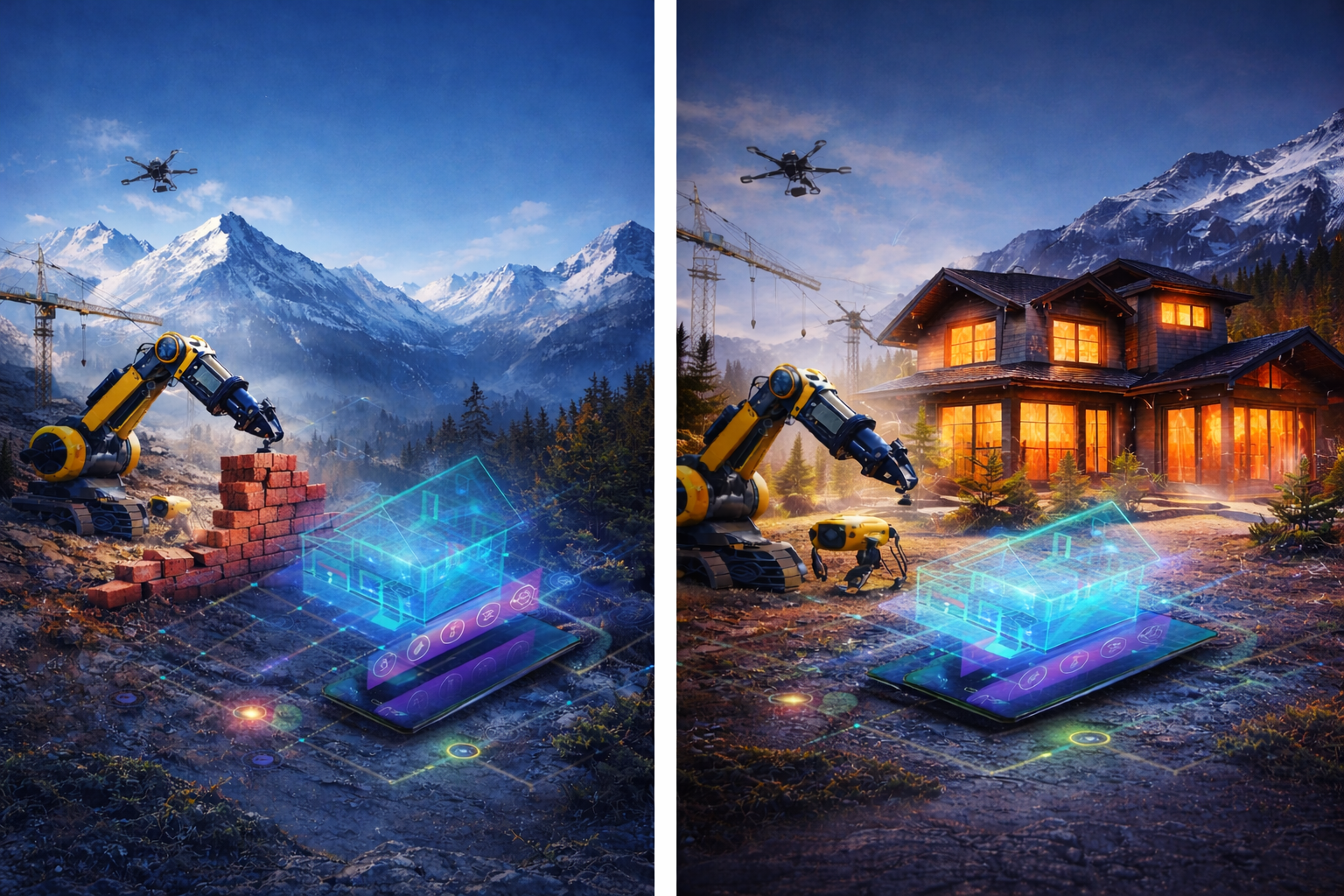
Artificial intelligence is no longer limited to software tools or digital assistants. It is now moving into the physical world and changing how industries operate in real environments. One of the most interesting transformations is happening in the construction industry.
For decades, construction has relied heavily on manual labor, traditional planning, and long building timelines. Today, artificial intelligence is beginning to change that. Robotics, automation, and smart building systems are making construction faster, safer, and more efficient.
This shift is often described as the rise of physical AI. It refers to artificial intelligence systems that interact directly with the physical environment through sensors, robotics, and machine learning.
As construction technology evolves, it will also shape the future of real estate. From smart homes to faster home construction, the way properties are built and designed is entering a new era.
For buyers, investors, and homeowners in markets such as Breckenridge and Summit County, understanding these changes can provide valuable insight into where the housing market may be heading.
What Is Physical AI in Construction
Physical AI refers to artificial intelligence systems that can sense and interact with the real world. Unlike traditional AI that analyzes digital information, physical AI uses sensors, robotics, and machine learning to perform real tasks.
In construction, this technology can assist with many processes that were previously done by human workers.
Examples of physical AI in construction include:
Robots that lay bricks or assemble building components
Autonomous vehicles that transport materials on job sites
Drones that inspect construction progress and monitor safety
Sensors that monitor building performance and energy usage
AI software that predicts maintenance needs
These systems allow construction companies to improve efficiency and reduce costly mistakes.
According to research published by the National Institute of Standards and Technology, inefficiencies in construction cost the industry billions of dollars each year. Artificial intelligence has the potential to significantly reduce those inefficiencies. https://www.nist.gov
Why the Construction Industry Is Turning to Artificial Intelligence
The construction industry faces several challenges that are pushing companies to explore new technologies.
Labor shortages are one of the most significant issues. Skilled construction workers are becoming harder to find in many regions. At the same time, the demand for housing continues to increase.
Other challenges include rising material costs, project delays, and safety risks on job sites.
Artificial intelligence offers several solutions.
AI powered systems can analyze project data and help construction managers plan projects more effectively. Robotics can perform repetitive tasks faster than traditional methods. Sensors and computer vision systems can identify safety risks before accidents occur.
These technologies help construction companies build homes more efficiently while improving safety for workers.
Industry reports from organizations such as McKinsey have highlighted the growing role of automation in construction and its potential to improve productivity across the sector. https://www.mckinsey.com
Robotics and Automation on Modern Construction Sites
One of the most visible changes in construction is the use of robotics and automated machines.
These systems are designed to support human workers rather than replace them.
Here are several examples of how robotics is already being used on construction sites.
Bricklaying Robots
Some companies have developed robotic systems capable of laying bricks with extreme precision. These robots can build walls quickly while maintaining consistent alignment.
This reduces errors and speeds up the building process.
Construction Drones
Drones are widely used for aerial inspections. They capture images of job sites and help project managers track progress in real time.
Drones can also inspect difficult areas of buildings that may be dangerous for workers to access.
Autonomous Construction Vehicles
Self driving machines can move materials across construction sites without human drivers. This reduces the need for manual hauling and increases efficiency.
Robotic Arms
Robotic arms are used for tasks such as cutting materials, assembling structural components, and performing repetitive construction work.
While these technologies are still developing, they demonstrate how automation can support modern building processes.
More information about robotics in construction can be found through organizations such as the Construction Robotics Institute. https://robotics.utexas.edu
Smart Buildings and AI Powered Homes
Artificial intelligence continues to play a role even after a building is completed.
Many modern homes now include smart technologies that use AI to monitor and control different aspects of the property.
Smart home systems can automatically adjust heating and cooling based on occupancy patterns. They can monitor energy usage and recommend ways to improve efficiency. Security systems can detect unusual activity and alert homeowners.
These technologies are becoming increasingly popular among buyers who value convenience and energy savings.
In luxury real estate markets such as Breckenridge, smart home features can also enhance property value.
Features such as automated lighting, climate control systems, and remote property monitoring are particularly attractive for second home owners and vacation property investors.
Learn more about smart home technology from the U.S. Department of Energy. https://www.energy.gov
How AI Construction Could Influence Real Estate Markets
Artificial intelligence is likely to have a long term impact on real estate development.
Several trends may emerge as construction technology continues to evolve.
Faster Home Construction
AI assisted building processes could significantly reduce construction timelines. This may help address housing shortages in growing communities.
Improved Energy Efficiency
Smart building systems can monitor energy usage and optimize performance. This is particularly valuable in mountain regions where energy costs can be high.
Advanced Smart Homes
New homes may include more integrated technology that automates everyday tasks.
Data Driven Property Management
AI powered systems can monitor building performance and predict maintenance issues before they occur.
For buyers and investors, these innovations could influence how properties are evaluated and priced.
What This Means for Breckenridge and Summit County Real Estate
Mountain communities such as Breckenridge and Summit County have unique real estate markets.
Many properties are luxury homes, vacation residences, or investment properties. Buyers often look for features that improve comfort, energy efficiency, and long term property value.
Smart home technology and AI driven building systems are becoming important factors for these buyers.
Homes that include advanced energy systems, intelligent climate control, and automated security features can stand out in competitive markets.
As construction technology evolves, new developments in mountain communities may increasingly include these advanced systems.
The Future of AI in Construction and Housing
Artificial intelligence is still in the early stages of transforming the construction industry. However, the pace of innovation is accelerating.
Future construction sites may include fully automated machines that perform many building tasks. AI powered design software could help architects create more efficient building plans. Smart homes may manage their own energy consumption and maintenance schedules.
These developments could reshape how homes are built, sold, and maintained.
For buyers and sellers, staying informed about these trends can help them understand where the housing market may be headed in the coming years.
Planning to Buy or Sell a Home in Breckenridge
If you are thinking about buying or selling property in Breckenridge or Summit County, working with an experienced real estate advisor can make a significant difference.
I am Kim Obert, a real estate advisor with Mountain Properties in Breckenridge and a trusted expert in the local real estate market.
I am also one of the few AI Certified real estate agents in the world and the only one in Summit County. This allows me to use advanced marketing strategies and technology that most traditional agents do not use.
Whether you are looking for a luxury mountain home, ski property, vacation home, or investment property, I would be happy to guide you through the process.
 kim@kimobert.com
 970-390-3711
AI‑powered precision, local intuition.
—𝑲𝒊𝒎 𝑶𝒃𝒆𝒓𝒕
Real estate advisor in Breckenridge Colorado
Your AI-Certified Realtor | Breckenridge, CO | Summit County, CO
|


or another way